Last updated November 18, 2026
How to Hire an ADU Contractor in Boulder City: A Step-by-Step Guide
Most hiring guides tell you to get three bids and check references. That advice is fine as far as it goes, but it skips the part that actually matters: the contractor knows the process cold and you don’t, and that gap is where money gets lost. So here’s a question very few Boulder City homeowners think to ask: “Can I see your Nevada State Contractors Board license number and verify it myself right now?” The contractors who fumble that request, change the subject, or promise to email it later are telling you something before you’ve signed anything. This guide shows you how to shift that imbalance in your favor – what to verify, what to ask, and exactly what a contract should and shouldn’t say.
Quick Answer
To hire an ADU contractor in Boulder City, verify their Nevada State Contractors Board license is active and covers the right work classification, demand a written contract with a locked price instead of a “good faith estimate,” confirm who specifically will be on your property each day, and structure payments to follow completed phases rather than a large upfront deposit. Do those four things before you sign, and you’ve eliminated most of the ways an ADU project goes wrong.
Table of Contents
- How to Verify a Contractor’s Nevada License in Under Two Minutes
- The Contract Language That Separates a Locked Price from a Guess
- Why Crew Identity Verification Should Be a Hiring Criterion
- Red Flags in the Quote Process
- How to Structure a Payment Schedule That Protects You
- What’s Different About Building an ADU in Boulder City
- The Questions That Reveal a Contractor’s Real Experience
- Your Next Step
How to Verify a Contractor’s Nevada License in Under Two Minutes
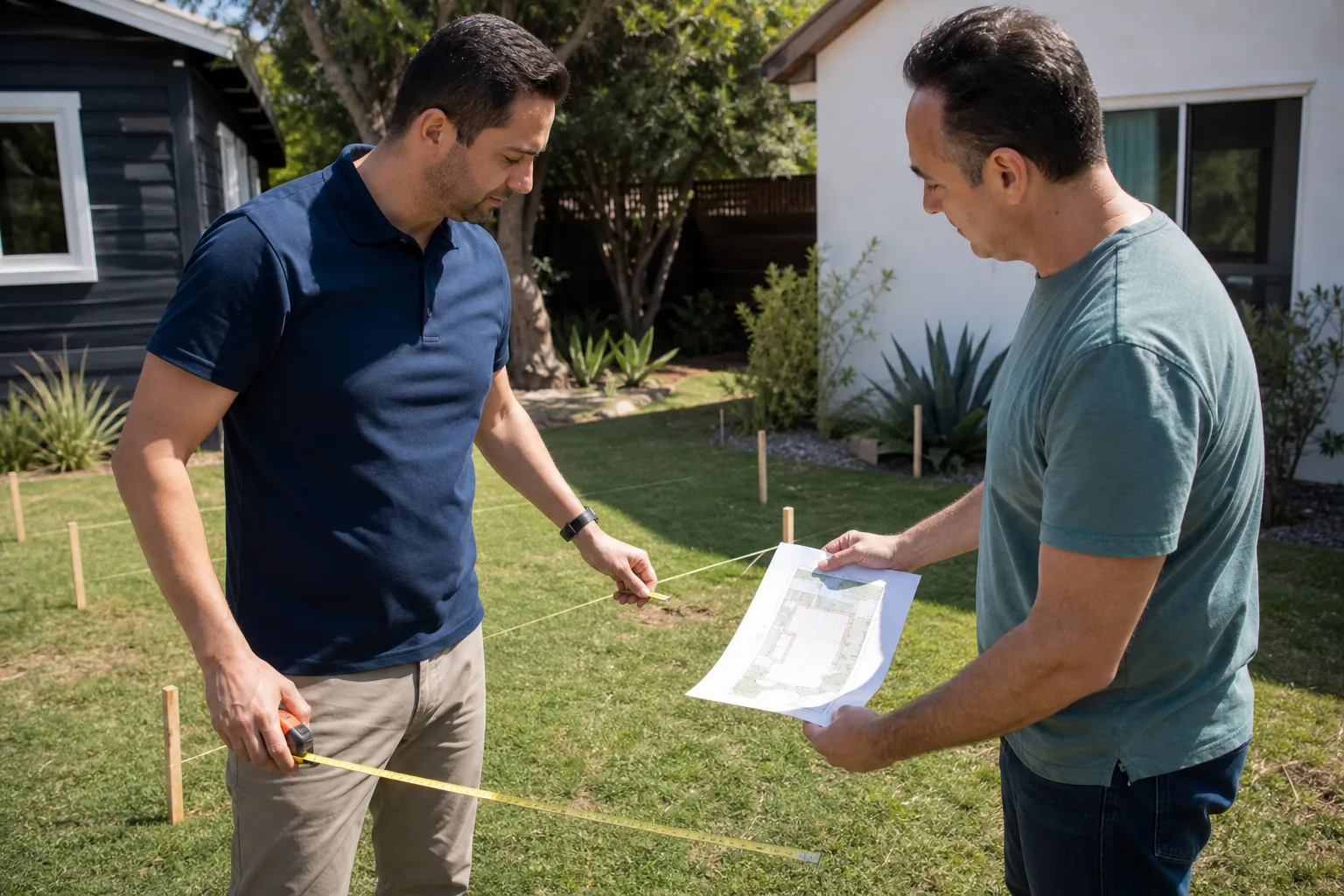
Nevada requires anyone contracting for construction work over a certain dollar threshold to hold a license from the Nevada State Contractors Board, and ADU work always clears that threshold. The license number is public record. Asking for it isn’t rude, and any legitimate contractor will hand it over without hesitation – they expect the question.
Here’s the process, and it really does take about two minutes:
- Go to the Nevada State Contractors Board website and open the license search tool.
- Enter the license number. Search by company name too, in case the number doesn’t match the name on the bid.
- Confirm the status reads “active.” A license that’s expired, suspended, or revoked cannot legally contract the work.
- Check the classification. Residential work falls under specific license classes, and you want a classification that actually covers the scope of an ADU build.
- Look for a history of disciplinary actions. A clean record matters more than a long one.
- Confirm the name on the license matches the entity you’re paying.
“Active” status means the license is currently valid and in good standing with the Board. It does not mean the contractor is good at building ADUs, and it doesn’t guarantee your project goes smoothly. What it does mean is that the contractor is accountable to a state regulator and that a formal complaint process exists if something goes wrong. An unlicensed contractor offers you neither. If you’ve already looked at our ADU builders in Boulder City page, you’ve seen how we describe the vetting side of this – the license check is where that starts, not where it ends.
The Contract Language That Separates a Locked Price from a Guess
Read the pricing section of any contractor’s proposal twice, because one phrase is worth thousands of dollars either way. If the document says “good faith estimate,” “approximate cost,” or “budgetary pricing,” the number is not binding. The contractor can come back mid-project and tell you material costs shifted, the site conditions were worse than expected, or the scope needed adjusting, and the price moves.
A locked price is different. It states a specific dollar amount for defined work and specifies what happens if the contractor’s assumptions change. In our experience, this distinction is where homeowners get hurt, because a vague estimate and a fixed price can sit right next to each other on the page and look nearly identical.
What a contract should spell out before you sign:
- A defined scope of work. Not “build ADU” but the exact square footage, foundation type, utilities run, finishes, and what’s excluded.
- A stated price with a clear change-order process. Changes are sometimes legitimate, but every one should require your written signature before work continues. Never sign a contract with an unsigned change-order policy buried in the fine print.
- Allowance items with real numbers. An allowance is a budget placeholder for something like tile or fixtures. A $2,000 allowance for flooring on a 500-square-foot unit tells you almost nothing and puts you on the hook for the gap. Ask how the allowance was calculated and what happens if you exceed it.
- Permit responsibility. The contract should say plainly that the contractor pulls permits and that permits are included in the price. “Handled later” or “owner to obtain permits” is a problem, not a favor.
- A written warranty. Get the warranty terms in writing, including how long it runs and what it covers.
For anyone adding a room rather than a detached unit, the same principles apply, spelled out in more detail on our room addition contractor in Boulder City page.
Why Crew Identity Verification Should Be a Hiring Criterion
This is the part most guides skip. An ADU project runs for weeks or months, and a rotating cast of crews, subs, and delivery people will be on your property. If you’re home during the day, if you have young children, or if you’re an older homeowner living alone, knowing who’s coming isn’t a small nicety – it’s part of the decision.
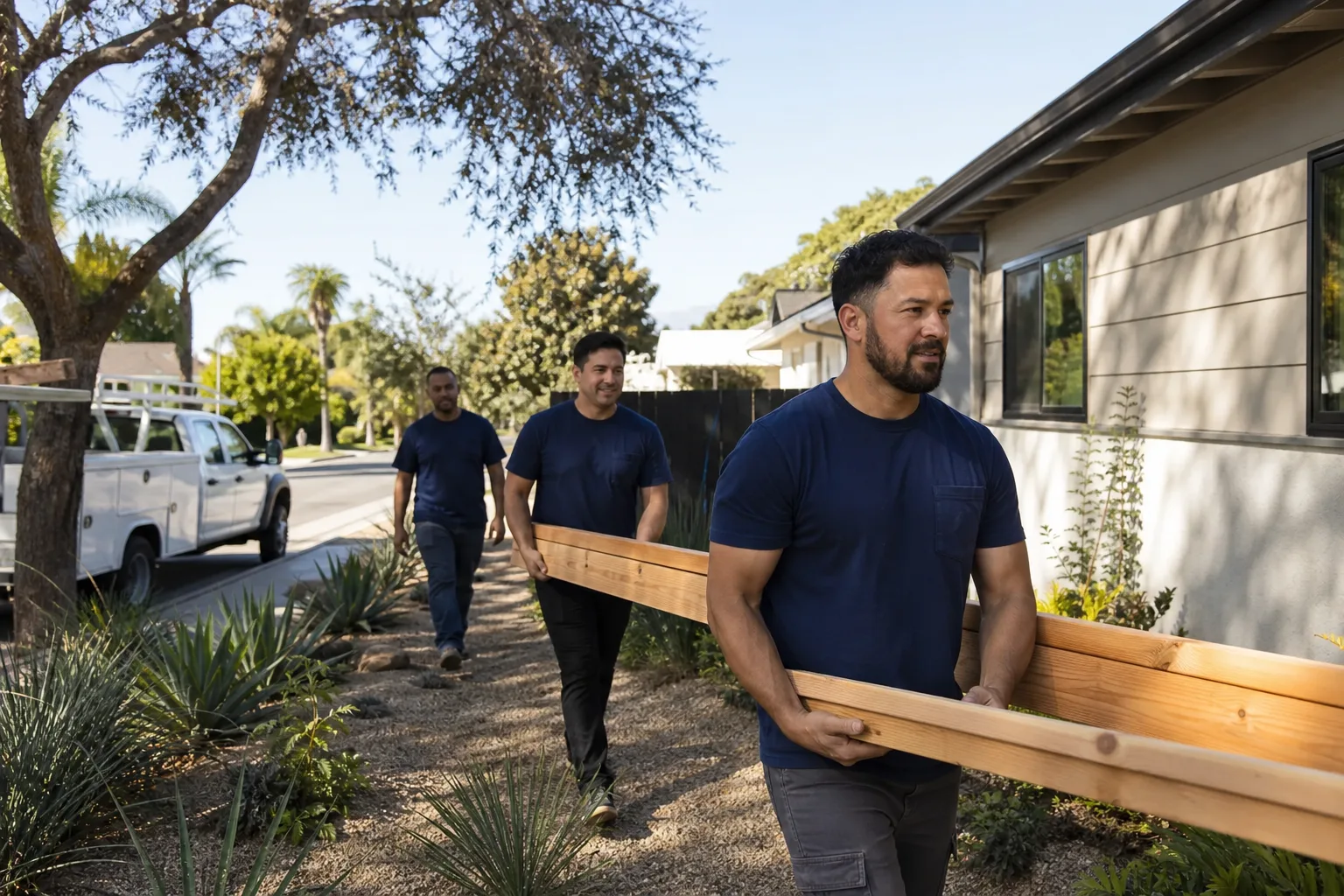
So ask the question directly: who specifically will be on my property each day, and how will I know them? Vague answers are common. Better contractors will tell you that every field person is background-checked and identity-verified, that names are shared before arrival, and that crew members arrive in a marked uniform and present a photo ID badge at the door. At Sutton, we call this the Threshold Standard, and it’s the same on every project we take on.
Ground the question in specifics:
- Which technicians and subcontractors will handle framing, electrical, plumbing, and finishes?
- Do you share names and photos before each person shows up?
- Are subs held to the same background-check standard as your own staff?
- Who is my point of contact for the entire build, and can I reach that person on a Sunday if something comes up?
The answers tell you whether you’re hiring a contractor who understands your concern or one who’s never thought about it.
Red Flags in the Quote Process
Red flags usually surface in the first three conversations, before any contract exists. Here’s what we’ve seen trip homeowners up:
- Permits described as a later step. In Boulder City, ADU and addition work requires permits and inspections. A contractor who treats permitting as an afterthought – or suggests skipping it to save time – is setting you up for problems at resale and with insurance. Permits should be in the contract price.
- Allowances with round, unexplained numbers. A $5,000 allowance for “kitchen finishes” with no line-item breakdown is a change-order waiting to happen.
- No unsigned change-order policy. If the contract doesn’t require your signature before scope changes, the scope can expand and the bill can grow without your consent.
- A verbal promise that the crew is vetted. Ask for it in writing alongside the other standards.
- Pressure to sign quickly. Real contractors don’t need to manufacture urgency on a six-figure project.
- A price that’s dramatically lower than every other bid. Usually that price is missing something – permits, site work, utility connections – and you’ll pay for it later.
If you’re comparing bids for an addition alongside an ADU, our home addition contractor in Boulder City page covers how scopes differ, which helps you spot a bid that left work out.
How to Structure a Payment Schedule That Protects You
The payment schedule is where a lot of the leverage sits, and most homeowners give it away without realizing it. A large deposit up front shifts risk entirely to you: if the contractor walks, stalls, or runs out of money, you’ve funded the risk without any completed work to show for it.
Payments should follow completed, inspectable phases. A structure worth asking for:
- A modest deposit to secure the project and order materials. Reasonable, but keep it proportionate to what’s actually being ordered.
- Payment at foundation completion. After the foundation passes inspection, not before.
- Payment at frame and rough-in completion. Once framing and the electrical, plumbing, and mechanical rough-ins are inspected.
- Payment at drywall and finishes. Tied to visible progress.
- Final payment after your walkthrough and punch-list items are resolved. This is the one you protect most carefully. Hold back enough to ensure the punch list actually gets done.
Ask for a written schedule matching those phases and confirm what “inspection passed” means in each case. In Boulder City, where the building department inspects at defined milestones, a phase payment tied to inspection is a straightforward way to keep both parties honest. If a contractor asks for the majority of the money before work begins, ask why, and be prepared to walk if the answer is vague.
What’s Different About Building an ADU in Boulder City
Boulder City is unusual in Southern Nevada, and that changes how an ADU project runs. Most of the historic core sits inside a designated historic district, and exterior work on contributing properties can trigger additional review before permits are issued. If your lot is in or near that district, ask any contractor you interview how they handle historic review – a blank look is your answer. Setbacks (the required gap between your new structure and the property lines), lot coverage limits, and alley access all matter here, and a detached unit on a narrow historic lot has less room to maneuver than a typical suburban lot elsewhere in the valley.
The climate matters too. Boulder City runs hotter and drier than most of the Las Vegas Valley, with summer highs that punish an under-insulated unit and a flat roof that wasn’t detailed for intense sun. We see this on a lot of prefab installs: good product, weak site work. If you’re considering a modular or panelized unit, ask how the builder plans to handle foundation, insulation values, and sun exposure on a west-facing wall. Mighty Buildings and Plant Prefab both make product lines that perform well here when the site work is done right, and a contractor familiar with those systems will tell you the same.
One more local factor: Boulder City is a small town, and contractors talk. A contractor with a genuine local reputation can point you to other clients in the area who’ll vouch for them. That’s worth asking for directly.
The Questions That Reveal a Contractor’s Real Experience
Generic questions get generic answers. These specific ones separate contractors who’ve actually built ADUs from those who’d like to:
- “How many ADUs have you completed in Boulder City specifically?” The answer to “how many ADUs” is often vague; the answer to “in Boulder City” is usually more telling.
- “Walk me through how you’d handle a historic district review.” Real experience shows up in the details.
- “Who pulls the permits, and are they in the price?” You want permits in the contract price, pulled by the contractor.
- “What’s your written warranty, and what does it cover?” Get the warranty terms in writing. Our 365-Day Done Right Promise covers defects in workmanship for one full calendar year from completion – if it isn’t right, we make it right, and a free second visit is included if any element fails.
- “Can I see my written price before any work starts?” It should be a yes, without qualification.
- “Who exactly will be on my property, and can I confirm that in writing?” You want names, photos, and badges.
Notice that almost none of these are about price. A contractor who answers all six cleanly is usually also the one whose price holds up.
Common Mistakes to Avoid
- Skipping the license check. A two-minute search on the Nevada State Contractors Board site can save you a six-figure headache. The contractor who hesitates when you ask is telling you something.
- Accepting a “good faith estimate” as a price. That phrase means the number can move, and it often does once walls are open. Ask for a locked, written price.
- Paying too much up front. A large deposit before work starts removes your leverage if the build stalls. Tie payments to inspected milestones.
- Treating permits as someone else’s problem. Unpermitted ADU work can complicate resale, insurance, and future financing. Permits belong in the contract, pulled by the contractor.
- Signing change orders without reading them. Some changes are legitimate, but every one should require your signature and a written number before work continues.
- Never asking who’s coming to the property. A crew that arrives with no introduction and no photo ID badge is a legitimate concern for anyone home alone during the build.
- Not asking about historic district review. In Boulder City’s historic core, this can add a real step to the schedule. A contractor who’s never heard of it hasn’t built here.
When to Call a Professional
Get a licensed contractor involved before you commit to a lot, a unit type, or a layout. Site constraints – setback lines, historic district review, access for a crane or delivery truck – can change what’s feasible more than any design preference will. If you’re weighing prefab options like Mighty Buildings or Plant Prefab against a site-built unit, a contractor with experience in both can tell you which fits your lot and your budget before you place an order. And if you’ve already had a bad bid experience, with vague pricing or a crew no one can name, it’s worth getting a second opinion. Sutton ADU Builders Boulder City offers free estimates in Boulder City – call (888) 296-0055. Our technicians have up to 20 years of experience, and every project gets a written price before any work begins.
Frequently Asked Questions
Search the Nevada State Contractors Board website using the contractor’s license number and confirm the status is active and the classification covers your scope of work. Any legitimate contractor will give you the number without hesitation. Do the check yourself rather than taking a screenshot at face value.
A good faith estimate is not binding – the final price can change if material costs shift or site conditions differ. A locked price states a specific dollar amount for defined work and requires your written sign-off for any change. Always ask which one you’re getting before you sign. Call (888) 296-0055 for a written price on your Boulder City project.
Yes. ADU and addition work in Boulder City requires building permits and inspections, and if your property sits in or near the historic district, exterior work may also need review. Reputable contractors pull permits and include them in the contract price. Ask where permits appear in the bid; if they’re described as “handled later,” that’s a concern.
A modest deposit sized to actual material orders is normal; a deposit covering half the project before work begins is not. Payments should follow completed, inspected phases, with a final holdback released after your walkthrough and punch-list items are done. Ask for the schedule in writing before signing.
Yes, and you should. Ask for the names and roles of everyone scheduled to work on your property, and whether the contractor shares names and photos before each person arrives. Every Sutton technician is background-checked, identity-verified, uniformed, and photo-badged under the Threshold Standard, with name and photo delivered to you before arrival.
Common prefab and modular options include Abodu, Cover, Dvele, Mighty Buildings, Plant Prefab, and Boxabl, along with Tuff Shed structures and James Hardie exterior systems. The right choice depends on your lot, setbacks, and budget – which is why it’s worth getting an experienced contractor’s read before you commit to a product line. Call (888) 296-0055 to talk through the options.
The Bottom Line
Hiring an ADU contractor in Boulder City comes down to a handful of things you can verify yourself: an active Nevada State Contractors Board license, a written contract with a locked price instead of an estimate, a crew whose names and photos you know before they arrive, and a payment schedule tied to inspected phases. Ask the six questions above and watch how the answers come back. The contractors who handle them cleanly are the ones worth the premium. When you’re ready to add a second home to your lot – the old English meaning of sutton is a south farm, and that’s exactly the kind of settled, rooted decision this is – we’re glad to walk through your options.
Ready to start? Call Sutton ADU Builders Boulder City at (888) 296-0055 for a free estimate and a written price before any work begins.
Written by the team at Sutton ADU Builders Boulder City.